
Every car has a story, and sometimes that story doesn’t end when the odometer stops ticking. Vehicles are engineered with precision and built to endure thousands of miles, but as time goes on, components wear down, accidents happen, and mechanical failures can disrupt daily life. Among such challenges, engine failure is often one of the most critical-and costly-problems a car owner may face. Replacing an engine is rarely inexpensive, and this is where the concept of a used car engine and used auto parts becomes a practical and intelligent solution for many vehicle owners.
Understanding the Importance of a Car Engine
The heart of any vehicle is definitely the engine, converting fuel into motion in such a manner that the vehicle moves well and efficiently. However, if there are problems with the engine, especially relating to loss of power, strange noises, lots of smoke, or frequent stalling, drivers are faced with a dilemma: invest in a completely new engine or seek an alternative. While a new engine ensures reliability, it is rather expensive. Most drivers, particularly those with older cars, could find it more economical to look at the market for a used car engine.
A secondhand car engine is basically an already used engine taken out of a vehicle and refurbished or bench-tested for reliability, to be resold. These could be taken out of cars or other vehicles that were otherwise in great shape but had to be decommissioned for reasons unrelated to the engines. This makes them an extremely valued commodity for anyone who intends to increase the life of his vehicle without having to spend a fortune.
Benefits of Choosing a Used Car Engine
Choosing a second-hand car engine has a number of reasonable reasons:
Cost Savings
One of the most significant reasons people choose a used engine is the financial benefit. Whereas brand-new engines can be too expensive, sometimes running into several thousands of dollars, which is too costly and may surpass the market value of the car itself, a used engine offers a fraction of that cost while giving good, reliable performance.
Availability
For many models, no new engines are being produced. A used engine enables car owners to maintain and restore older vehicles without extensive modification or compromise, keeping them roadworthy.
Environmentally Friendly
Reusing engines and other used automotive parts decreases waste and the need for new manufacturing. This sustainable approach helps conserve natural resources and reduces the carbon footprint associated with producing brand-new automotive components.
Tested Performance
Reputable suppliers of the used engines undertake thorough checks, testing, and at times refurbishing to ensure the engine is in running condition. This provides the same level of dependability as for a new engine, especially if acquired from trustworthy sources.
The Market for Used Auto Parts
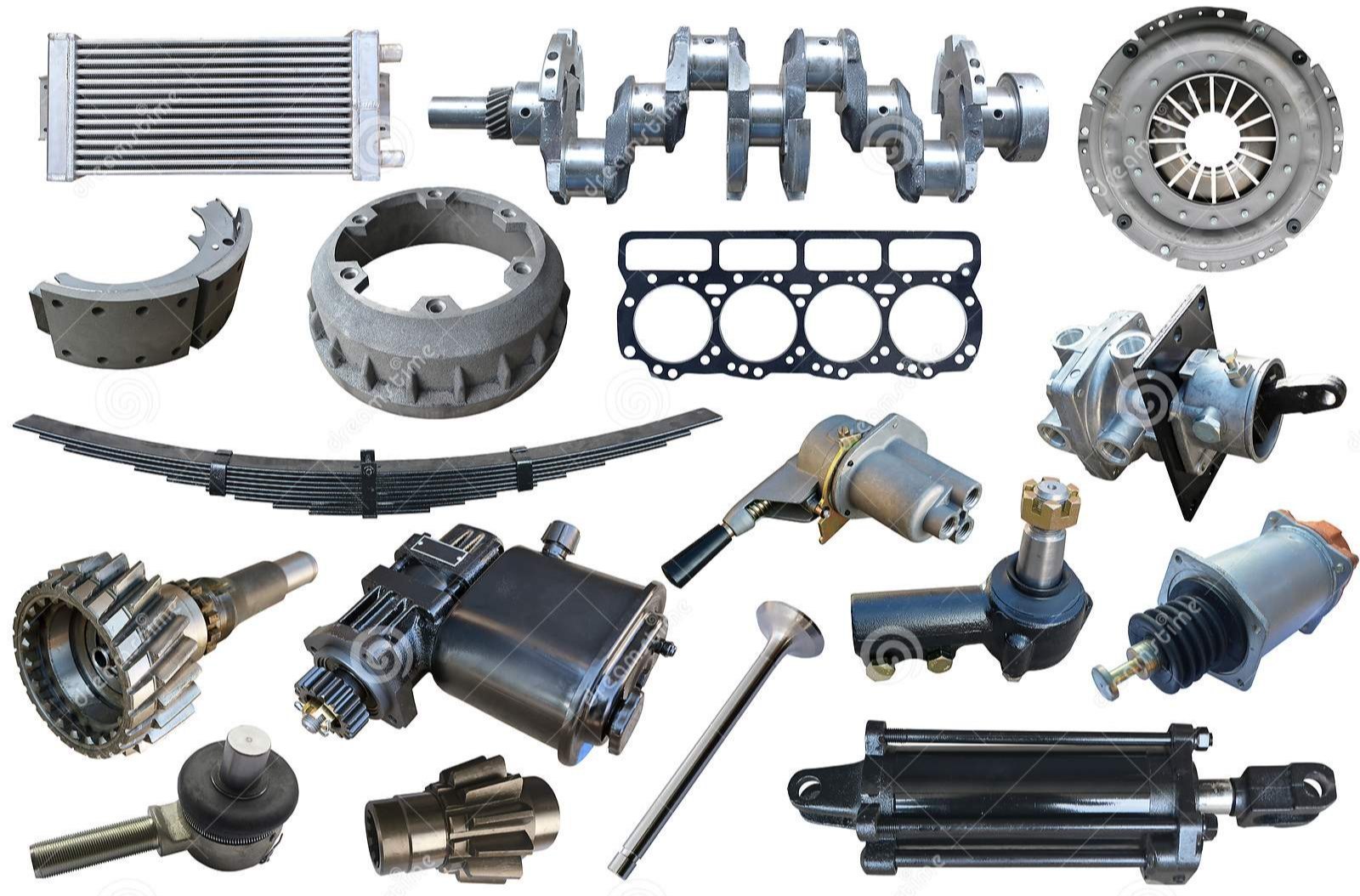
Beyond engines, the world of used auto parts is diverse and increasingly accessible. Junkyards, salvage yards, and specialized auto part resellers provide all manner of components, from transmissions and brakes to alternators and air conditioning units. These parts come from vehicles that are no longer drivable but still house functional components.
Such high demand for secondhand car parts has established a strong market that allows both individual car owners and professional mechanics to source many needed components at cheap prices. This is very helpful for people working on older or discontinued car models where new parts are hard to find.
How to Source a Used Car Engine
Finding the right secondhand vehicle engine requires some research and careful consideration. Here are steps to ensure that you are making a smart purchase:
Identify Compatibility
Make sure the engine you are considering fits your vehicle’s make, model, and year. Engine size is crucial, but so is fuel and transmission type when determining compatibility.
Check Mileage and Condition
A lower-mileage engine normally offers longer potential life, but condition and maintenance history are of equal importance. If possible, ask for any service records or documentation of any repairs or refurbishments.
Inspect Before Buying
If possible, make a visual check of the engine yourself, or hire a professional mechanic to check. Look for signs of wear, oil leaks, corrosion, or damage that may point to future problems.
Consider Warranty Options
Many dependable sellers give limited warranties with used car engines. Though these warranties might not be equal to those of a new engine, they provide at least some assurance and mitigation of risks.
Ensuring the Quality of Used Car Parts
Quality and reliability should not be sacrificed when purchasing used auto parts. Here’s how:
- Buy from trustworthy sources, be it a local salvage yard or online marketplace; verify the reputation of the seller by reading customer reviews.
- Testing & Certification: The components installed-like the engine and transmission-must be tested for functionality; so, too, the ABS system.
- Understand the Return Policy: A flexible return policy gives you protection in case the part is not as described or fails after installation.
- Compare Prices: The prices of used parts depend on their availability, condition, and demand. Comparison between several sources will provide a fair deal.
Common Types of Used Auto Parts
While the engine is the centerpiece of the vehicle, several other used auto parts can save costs and maintain performance:
- Transmission Units: A used transmission can drastically cut down on repair costs, especially for those models where transmission units are rare or expensive.
- Alternators and Starters: These fundamental electrical components are usually quite robust and can be reutilized with great success.
- Suspension Components: Shocks, struts, and control arms frequently remain operational well after the vehicle has reached the end of its service life.
- Brake Systems: Rotors, calipers, and pads can be sourced used, though careful inspection is necessary for safety.
- Air Conditioning Components: Compressors and condensers from salvage vehicles can restore cooling systems at a fraction of the cost of new units.
The Financial Sense of Reusing Auto Components
This cost-efficiency is not merely a matter of a one-time savings factor but also plays into overall vehicle ownership expenses. Owners who can find reliable used parts for their vehicles can keep cars on the road longer, thereby delaying the need for a new vehicle purchase. The mechanic or auto repair shops also benefit from becoming more competitive due to options of lower-cost repairs, thus making it a win-win.
Environmental Impact of Used Auto Parts
Every time a car engine or any auto part is recycled and fitted into a new car, it saves the environment from having that part discarded in a landfill. Making new parts requires energy, water, and raw materials and generates greenhouse gases in the process. Using old parts, drivers are contributing to the circular economy as they reduce the ecological footprint of the automotive industry.
Tips for Keeping a Second-Hand Car Engine in Good Condition
Installation of a used car engine is just the beginning. Proper maintenance secures its life:
- Regular Oil Changes: Keep the engine lubricated to prevent wear.
- Coolant System Checks: Prevent overheating by monitoring the radiator, hoses, and coolant levels. Routine checks would help to detect precursors to gross defects, such as leaks or unusual noises.
- Quality Fuel and Fluids: Use the recommended fuel and fluids for better performance of the engine.
Conclusion
Choosing a used car engine or other used auto parts is more than a decision to save a budget; it’s a practical, ecologically conscious one that extends the life of vehicles and reduces waste. With reliable components sourced and proper maintenance done, car owners are able to avail of all the benefits a functional vehicle can provide without excessive costs related to brand-new parts. As sustainability becomes top-of-mind and the market for used parts continues to grow, more and more drivers are realizing that the smartest way to own a car isn’t always to buy new. Sometimes, giving a well-made, previously used engine a second life is the smartest move of all. For financial, environmental, or practical reasons, used auto parts are a good way to keep vehicles running smoothly and efficiently for years to come.
